domingo, 12 de enero de 2014

Cuento: Where is the spider?

Where is the spider?


Once upon a time there were ten animals that were good friends. 


They are playing hide and seek together. But the spider hides very 


well and they can’t find it. Do you want to find it?


Look! Here are the cat, the duck, the elephant and the fish... can you 


see the spider? No, the spider isn’t here.


Look! Here are the lion, the parrot and the owl... can you see the 


spider? No, the spider isn’t here.


Look! Here are the bear and the rabbit... can you see the spider?


Yes!! The spider is hiding here!! We have found the spider!!


And they lived happily ever after.


  • When and where: tanto la actividad como el cuento lo haría antes del recreo para que así puedan jugar en el patio, por ejemplo, a que son 
  • Activity Será previa al cuento. Consistirá en enseñar a los niños vocabulario de los animales mediante imágenes impresas. La profesora va a ir presentando uno por uno a los animales para después decirles "hola".Por último, la profesora asignará a cada niño un animal y cuando diga el nombre de uno, el niño que lo tenga tendrá que levantar la imagen del animal que haya dicho.
  • Objetives:  

  -Aprender los animales y sus nombres.

 - Relacionar la imagen del animal con su nombre.


 -Distinguir si está o no está un animal.


 -Reforzar el saludo, en este caso, hacia los animales.


  • Procedure:


Good morning! 


Today, we are going to learn some animals ok? Look children!


-This is the cat. Hello cat!


-This is the duck. Hello duck!


-This is the elephant. Hello elephant!


-This is the fish. Hello fish!


-This is the lion. Hello lion!


-This is the parrot. Hello parrot!


-This is the owl. Hello owl!


-This is the bear. Hello bear!


-This is the rabbit. Hello rabbit!


Very good! Now, when I say, for example, cat, you stand up your paper, ok?


  • Age:  a partir de los 3 
  • Materials: imágenes impresas, cartulinas.


  • Variations: en vez de saludar a los animales, se puede decir el sonidode cada uno, y esta variación iría más hacia los 2-3 años ya que es más fácil.También se les puede preguntar a los niños si tienen algún animal en casa, de esta forma conoceremos más a los niños.


Tale

Procedure:

Now, I´m going to tell a tale of animals ok?

Do you like animals? Which? For example the cat? the lion?

Ok, look and listen to me, please.

Where is the spider?

Once upon a time, there were ten animals and they were good friends.

They are playing hide and seek together. But the spider hides very well

and they can’t find it. Do you want to find it?

Look! Here are the cat, the duck, the elephant and the fish... can you see

the spider? No, the spider isn’t here.

Look! Here are the lion, the parrot and the owl... can you see the spider? 

No, the spider isn’t here.

Look! Here are the bear and the rabbit... can you see the spider?

Yes! The spider is here! We have found the spider!

And they lived happily ever after.

Sources: el cuento me lo he inventado yo, pero el libro se llama: 

ABC a see and say, pop-up book, Grandreams.

Cuento: crocodiles don´t brush their teeth


http://www.waterstones.com/wat/images/nbd/m/978043/996/9780439968300.jpg


Cuento

Crocodiles don´t brush their teeth

But I do!, But we do!

Elephants don´t blow their noses

But I do!, But we do!

Lions don´t brush their hair

But I do!, But we do!

Pigs don´t wash their faces

But I do!, but we do!

Cats don´t say please and thank you

But I do!, but we do!

(....But we do!, lo he añadido al cuento)


  •  Cuándo y dónde

- ¿Dónde? En el rincón de los cuentos 

- ¿Cuándo? Después de la asamblea

  • Objetivos


- Diferenciar el comportamiento humano y animal

- Aprender el comportamiento humano a través de acciones observables

- Aprender el vocabulario relacionado con hábitos de higiene personal

- Localizar las partes del cuerpo.

  • Procedimiento


1ª Los niños se sentarán en las colchonetas formando un círculo y la profesora se 

pondrá enfrente de ellos.

 "Children, sit in front of my!, please"

 “Hello children, how are you?”

 "Today is…….. so as every….. I have to tell you a story in English, silent please!"

2º. Lee el cuento

3º) Empieza con la actividad

“Nombre de niño ”:Crocodiles don´t brush their teeth

but you do!

Now you have to brush your teeth! Para esta acción La profesora le dará el cepillo de 

dientes y tiene que simular que se lava los dientes.

“Nombre de niño ”: Elephants don´t blow their noses

but you do!

Now you have to blow your nose! Para está acción La profesora le dará un pañuelo y el 

niño tiene que hacer como si se sonara la nariz.

“Nombre de niño “Lions don´t brush their hair”

but you do!

Now you have to brush your hair! Para está acción La profesora le dará un peine y el 

niño tiene que hacer como si se peinara.

“Nombre del niño” Pigs don´t wash their faces

but you do!

Now you have to wash your face! Para está acción La profesora le dará un un cacito 

con agua y tiene que hacer como si se lavase la cara.

“Nombre del niño “Cats don´t say please and thank you

But you do!

 Le enseñamos el caramelo y le preguntamos: Which is the magic word”? Para que 

el niño responda: “Thank you”.

Al acabar con esta actividad, la profesora dice: "We have finished"


  • Edad:   A partir de 3 años


  •  Variaciones


- Para los pequeños de 1-2 años: La profesora primero les enseñara las imágenes de 

cada acción, la profesora lo hace y pedirá que todos juntos repitan la acción a la vez 

- Lavarse la cara

- Peinarse

- Lavarse los dientes

- Decir gracias y por favor

- Sonarse la nariz

- En vez de hacerlo en el propio aula lo podrán realizar dicha actividad en el cuarto de 

baño y estas acciones se podrán repetir a lo largo del día.

 Materiales


- Objetos de la vida cotidiana pañuelo, peine, cepillo de dientes, etc.

Cuento de hansel y gretel


Hansel & Gretel


Cuento:
Once upon a time there was two chidren. This is hansel and this is his sister gretel one day they went to the forest ( look children the forest, one trees, two trees, three trees,four  trees,  five trees and six trees.
Gretel saw a big house made of candy and chocolate ( look children chocolate ( enseño bote  and candies ( enseño chuches)
The house was green, purple, pink, red, blue, brown, white and orange. A good and kind witch lived in this house.The witch and two the  children ate candies and chocolate ( um te relames)
Then the children went home with  Daddy. (look children de forest, the tree, Hansel , his sister Gretel and Daddy)
The next day Hansel and Gretel went back to the witch´s house They were friends forever.


Actividad: okey children . Now we are going to paint the witch´s house with the palm of the hand or your fingers ( remember children: daddy finger, daddy finger, where are you? , where are you? We use chocolate now we are going to stick candies in this house

Donde y cuando: 
esta actividad es buena para hacerla en varios momentos:de la asamblea porque el niño se concentra mejor, después del patio y así se relajan para la comida y después de la siesta porque es calmada.

Objetivos:
-La concentración
-Familiarizarse con la lengua inglesa
-Vocabulario de : La familia
                           Los colores
-Manipular distintas texturas
-Desarrollar la psicomotricidad fina y gruesa

Procedimiento: os niños sentados en circulo tienen que pintar la casa de chocolate. Mientras yo les voy dando a cada uno un poco de chocolate (liquido) para que lo prueben. Una vez pintada tendrán que pegar las chuches que se hará los mismo se les dará una a cada uno y mientras le vas dando la chuche para que la peguen preguntas : What color is it? this color is... oh it´s very beautiful ,...

Edad :  2-3 esta bien aunque puede ser para más edad si intentamos meter mas vocabulario.
Materiales: Chuches, casa grande, pegamento, chocolate
Variaciones: además de trabajar los colores en la casa se puede trabajar la ropa , los números, el campo, etc.


https://blogger.googleusercontent.com/img/b/R29vZ2xl/AVvXsEjxnh15_ZN9K87EefoNIfQ5UAG1HfEqfviZqg4teoh-nFkJiZEQxvmq1uAq4I2qoWLw8KY2o9wvO1mJRYpy8dU4MOTTkgD-MxwxUDqu38SJwW0ylyVfPjiD4_2c7VVs4LL9xtV3an3WCvLg/s1600/IMG_20131115_091315.jpg


Cuento: Los animales


The animals


https://blogger.googleusercontent.com/img/b/R29vZ2xl/AVvXsEhmHimhPUGJiH8-H_ET-7dEAtZP6aossMudjiHlQdOHLxfNDTvJwj1tHTUox8QhAO4NNfVXJwtPcwYqA-3g4zkXyZHssYSe-6y0uViz5F3Yb6ZTsDfJacFJpage6iuy3U7R0jbpDdnZs6tX/s1600/WP_20131125_008.jpg


  • CUENTO: LOS ANIMALES


  • Cuando y donde: en el aula durante en la asamblea antes de irnos de excursión a la granja escuela.

  • Objetivos:
 - Aprender los animales con sus respectivas onomatopeyas que aparecen en 

el cuento y se trabajan en la actividad.

 - Colores que aparecen en el cuento y se trabajan en la actividad.

 - Reconocer las onomatopeyas de cada animal.

 - Psicomotricidad fina.

 - Que sepan responder a lo que se les pregunta, que lo comprendan y lo entiendan.


  •  Procedimiento: nos sentaríamos en un circulo, mientras que el educador/a lee el libro va haciendo preguntas y los niños contestan, cuando termina el libro les enseña unas tarjetas, en cada tarjeta hay un animal y tienen que repetir con el adulto el nombre del animal. Después de esto comienza la actividad que consiste en hacer un puzzle de cada animal, cuando terminen los niños de hacer los puzzles por parejas, otra vez enseñamos las tarjetas de los animales y hacemos las mismas preguntas que hemos hecho en el libro (What is this?/ What s colour?/ What does.... do?), para ver si han comprendido el vocabulario del libro y lo que queremos que aprendan (colores, animales y onomatopeyas)


  • Edad: 3-4 años
  • Materiales: un libro, cartulinas, folios, gomaeva, belcro, pinturas de madera y rotuladores, tijeras y pegamento.
  • Variación: para ampliar la edad, poner los puzzles más complicados.En vez de hacer el puzzle con folios y rotuladores hacerlo con cartulinas o fieltro de distintas texturas.


https://blogger.googleusercontent.com/img/b/R29vZ2xl/AVvXsEgXQcGyEc-EwqEZ8ofL5wmNdZBGwiiLy85a-fsXiGxKLAz8yOxErFHfdfKFoOy30_2XXp0-2rps5qC_lt9mH1n-0alczlWnX_ZWNJP7k9dfxjn9Cwn2CKrSAqsZOa65OABkenmmg2QOdbIZ/s1600/WP_20131125_010.jpg     https://blogger.googleusercontent.com/img/b/R29vZ2xl/AVvXsEi4cA8XZ-Y1RD3zxkRLhwU-OiT3HKj38kNS4bfja4LBr75P5e-XPbgpKtGFpO15ZtP4BBv5Z_Yxgpl4IMuKgxcJX6rAdVsewbtbi9lXh4KDl8XkpBDlZo-yqtpHPykHjIWnqvm3v06Awqi6/s1600/WP_20131125_013%5B1%5D.jpg    https://blogger.googleusercontent.com/img/b/R29vZ2xl/AVvXsEhnskh5YcbLFcYBXb9J1QDKEuhb2l6drPAlGLp03vAxoNUu-8G83Drkl-_YFucIR_RZK1u2fk3fp6FraiNc1afLk53qnmNpWsP54J1d7eSrkBa_RLSXLmWYRxkmctW8BHlyG75GD0CsEojV/s1600/WP_20131125_012%5B1%5D.jpg   https://blogger.googleusercontent.com/img/b/R29vZ2xl/AVvXsEhHgDfUmM-YpYlRsHcrM758BOa5OrTijecNqLgoUVQDQbtBzZ4p8NDU4F5UojlF2ss35qr2AoP4erV2aNgIn58PXRsW4nLRpibIwbcCwYb5tdl-fG3CMPyfFSJ4CXEPtOCtQr14Z71adKgV/s1600/WP_20131125_009.jpg  https://blogger.googleusercontent.com/img/b/R29vZ2xl/AVvXsEiirM3PaguWwetlBkr0zjjtwCLaDrQyGVUUvSc5tMtU2C1qpVE1rkrQ1h-DxXHORL5d0aI6jmhaEYeiOB8jh6H5hyf-pXQxKyTYUEBLkU1aQ7YR1rb33puVQB1bB-ZeInRFvEHbujXDIYqP/s1600/WP_20131125_011.jpg

Cuento: How do you feel??

How do you feel??


  • Cuento: 
- Well, I sometimes  feel bored…
- A veces estoy muy contento… y otras veces estoy triste
- I am sometimes very happy.. and I´m sometimes sad
- Algunas veces estoy enfadado.. y otras, me siento culpable.
- I´m sometimes angry, …. And I sometimes feel guilty
- A veces siento curiosidad.. Y después me sorprendo!!!
- I am sometimes curious... and then I´m surprised
- Puedo sentirme confiado… pero también puedo sentir vergüenza
- I can feel confidente… but I can also feel embarrassed
- A veces siento que tengo mucha hambre.. y otras veces me siento muy lleno.
- I am Sometimes very hungry and I´m sometimes full
- Ahora mismo me siento algo cansado y tengo mucho sueño…
- Right now i’m tired  and i feel very sleepy
- Y tú, ¿Cómo te sientes?
- And you, Hoy do you feel?

  • When and where: En el rincón de las emociones, donde habría dibujos y diferentes cosas para hacer referencia a este tema. La haría en la asamblea, ya que es un espacio donde ellos se expresan verbal y emocionalmente.
  • Objectives: Aprender a identificar sentimientos propios y de otras personas, empatía y lenguaje no verbal. Desarrollo de la afectividad, que se den cuenta de que todas las emociones son buenas y tienen derecho a sentirlas y expresarlas.Con la lectura de cuentos se fomenta la atención, la escucha, el aprendizaje de nuevos conceptos y la memoria.


  • Procedure: Empezamos a leer el cuento, contando que Anthony se siente de formas muy diferentes según el momento, después con ayuda del mono de peluche simularemos que nos ha traido un juego, y es.. Un dominó!!Sacamos la caja y explicamos a los niños en que consiste el juego (que adaptaremos a su edad, no con reglas de adulto).Para terminar, cantaremos la canción "If you happy and you know it", pero refiriéndonos a varias emociones:


"If you're happy and you know it clap your hands... CLAP CLAP!!
If you're happy and you know it clap your hands... CLAP CLAP!!
If you're happy and you know it and you really want to show it
If you're happy and you know it clap your hands... CLAP CLAP!!

If you're angry and you know it stomp your feet... STOMP STOMP!!
If you're angry and you know it and you really want to show it
If you're angry and you know it stomp your feet... STOMP STOMP!!

If you're sad and you know it cry a tear... BUAA BUAA!!
If you're sad and you know it cry a tear... BUAA BUAA!!
If you're sad and you know it and you really want to show it
If you're sad and you know it cry a tear... BUAA BUAA!!


  • Materials: Cuento "How do you feel", cartón, rotuladores, papel cebolla, folios reciclados, lápices de colores y mono de peluche.
  • Edad : 2-3


  • VariationsPara niños más mayores se ampliaría el vocabulario de las emociones y se hablaría más sobre ellas, preguntándole a los niños cómo se sienten y dándoles la oportunidad de expresarse libremente.


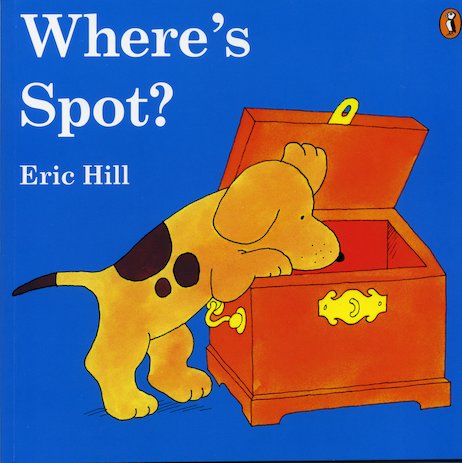
Cuento: Where's Spot?


Where´s Spot


  • Dónde y cuándo: En el aula, en el "Rincón de la Biblioteca", antes de la siesta para que se relajen.
  • Objetivos: -Trabajar vocabulario de las partes de la casa.


      -Reconocer partes y objetos de la casa.
                      -Nombrar partes y objetos de la casa.
  • Procedimiento: Sentaremos a los niños en la alfombra en el "Rincón de la Biblioteca" situados frente a la educadora. Antes de empezar el cuento, la educadora trabaja el vocabulario que hay en el mismo empleando tarjetas con imágenes de las distintas partes de la casa. Después, la educadora comienza a contar el cuento; a través del mismo, lanza preguntas a los niños y ellos deben contestar con el objetivo de encontrar a Spot. Después del cuento, la educadora reparte fichas de partes u objetos de la casa que los niños deben pintar con pintura de dedos.

-Cuento:"Where´s Spot?
                 It`s dinner time. Where can he be?
                 Is he behind the door?
                 Is he inside the clock?
                 Is he in the piano?
                 Is he under the stairs?
                 Is he in the wardrobe?
                 Is he in the box?
                 He`s under the rug. Try the basket!

                 Eat up your dinner!

  • Edad a la que va dirigido: A partir de 2-3 años.


  • Materiales: Cuento, tarjetas de vocabulario, pintura de dedos y fichas con imágenes de las distintas partes de la casa.
  • Variaciones: Con niños más mayores (a partir de los 4-5 años aproximadamente), se puede ampliar el vocabulario.

Cuento: "The Great Zoo!"


"The Great Zoo!"


-Objetivos: -Conocer los distintos tipos de animales (en este caso, la rana, el elefante, la jirafa y el mono).
                  -Identificar colores (en este caso, verde, azul, amarillo y marrón).
                  -Identificar distintas partes del cuerpo (en este caso, boca, nariz, cuello, piernas y trasero).
                  -Reconocer los distintos tamaños (en este caso, grande, pequeño y largo).


-Edad a la que va dirigido: 2-3 años, ya que a esta edad conocen animales, colores, identifican su cuerpo, etc.


-Dónde y cuándo: Se realizará el aula, después de "La Asamblea" y antes de ir al patio, ya que en el recreo pueden jugar que ellos son los animales.También, se puede contar días antes de realizar una excursión al zoo.


-Materiales: Cuatro fichas con los animales que aparecen en la historia (rana, elefante, jirafa y mono), cuento y muñeco/marioneta de una rana (para comenzar la historia).


-Procedimiento: Los niños, se sientan en el suelo formando un círculo. La educadora pregunta a los niños "Do you like animals?" Después, con las cuatro fichas, presenta a los animales de la siguiente forma:


"Now, I'm going to introduce you some friends, okey? 

-This is a frog, is a green and small animal. Repeat with me: FROG, GREEN, SMALL (y reforzaría a los niños "Well done!" "Excellent!")


-This is an elephant, this elephant is blue and big animal. Repeat with me: ELEPHANT, BLUE, BIG (y reforzaría a los niños "Well done!" "Excellent!"), He has a very long trunk and big ears. 


-This is a giraffe, is a yellow, brown and big animal. Repeat with me: GIRAFFE, YELLOW, BROWN, BIG (y reforzaría a los niños "Well done!" "Excellent!") She has a very long neck. 


-This is a monkey. This monkey is yellow, brown and small animal. Repeat with me: MONKEY, YELLOW, BROWN SMALL (y reforzaría a los niños "Well done!" "Excellent!")". 


  • Después de presentar a los animales, la educadora se dispone a contar el cuento de la siguiente forma: 

"Now, I'm going to tell the history of "The Great Zoo!" okey?" (aquí la educadora saca al muñeco/marioneta de la rana y lee la primera página con ella en la mano)


-Hello! I am the big mouth frog. I live in the zoo.I am very curious.


-Hello! I am the big mouth frog. What animal are you? You are very big! -Hello! I am an elephant, a very big animal. I have a long trunk and big ears!


-Hello! I am the big mouth frog. What animal are you? Can you hear me from up there? -Hello! I am a giraffe. I have a very long neck and good legs!


-Hello! I am the big mouth frog. What animal are you? You have a red bottom. -Hello! I am a monkey, Don't laugh at my red bottom!".


  • Después, la educadora volverá a coger las cuatro fichas de los animales y las colocará en el suelo e irá realizando preguntas sobre los animales de la siguiente manera:

"Now, I'm going to do any questions okey? 

-"Where is the frog? What colour is it? Is a small or big animal?"

-"Where is the elephant? What colour is it? Is a small or big animal?"

-"Where is the giraffe? What colour is it? Is a small or big animal?"

-"Where is the monkey? What colour is it? Is a small or big animal?"

(A cada respuesta que emitan los niños, la educadorá les reforazará con "Well done" "Excellent!")

-Variaciones: Con niños más mayores, se pueden escribir los nombres de los animales en las fichas para que ellos lo lean. También, se pueden introducir onomatopeyas de los animales del cuento e incluso ampliar los animales para que el cuento no se haga tan corto.